Build your offer, campaign message and channel plan, then turn them into assets with Codex and Higgsfield.
By Anne Reyes · · Workbook + prompts
Fill in the boxes, then copy your answers into Codex with the prompts below. Use the Higgsfield prompt once your strategy is approved.
Answers save in this browser.
1. Choose the sale you want to earn
Choose one primary goal. Acquiring a first-time buyer, increasing order value and bringing back a customer require different offers. Name the customer and the reason they might hesitate.
Codex · Sharpen the strategy
Act as an e-commerce campaign strategist. Use my workbook answers below.
[Paste my answers]
Write a one-page Black Friday brief: one primary goal, priority audience, purchase barrier, reason to buy and success measure. Challenge any mismatch between my goal and audience. Separate evidence from assumptions. Ask only for missing information that would change the strategy. Do not create visuals yet.
2. Build an offer the business can support
Choose products for a reason: customer demand, a useful pairing, repeat purchase or inventory you need to move. Compare a discount, bundle, gift or spending threshold against that goal. A deeper discount is not automatically a better offer.
Codex · Compare the offers
Using my brief and product information, compare up to three offer structures suited to my goal. Explain the customer reason to buy, likely purchase barrier and operational tradeoff for each.
For each offer, show revenue after discounts minus the supplied product, fulfillment, shipping subsidy, payment and gift costs. Label this contribution before advertising and other overhead. Do not treat revenue as profit. If costs or basket contents are missing, ask for them instead of guessing.
Recommend one offer that respects my minimum contribution and stock limits. Identify any risk of discounting a purchase customers would have made anyway. Write clear offer terms. Do not invent scarcity, savings, margins or a sales forecast.
Campaign example: two products presented as a pairing. Your assortment and visual direction should follow your own buying logic.
3. Give customers a reason beyond the discount
Complete this sentence: “For [customer], this offer helps them [desired outcome] because [credible reason].” Choose proof you can actually show, such as a product feature, demonstration or verified customer review.
Codex · Find the campaign idea
Use the approved brief and offer to propose three distinct campaign angles. For each, give me the customer insight, central message, supporting proof and one headline. Avoid generic Black Friday hype.
Recommend the strongest angle for my audience and explain why. Keep all claims grounded in the evidence I supplied. After I choose, turn it into one creative brief covering tone, visual mood, product role and copy hierarchy. Adapt the concept to my niche; do not prescribe props or scenes borrowed from another brand.
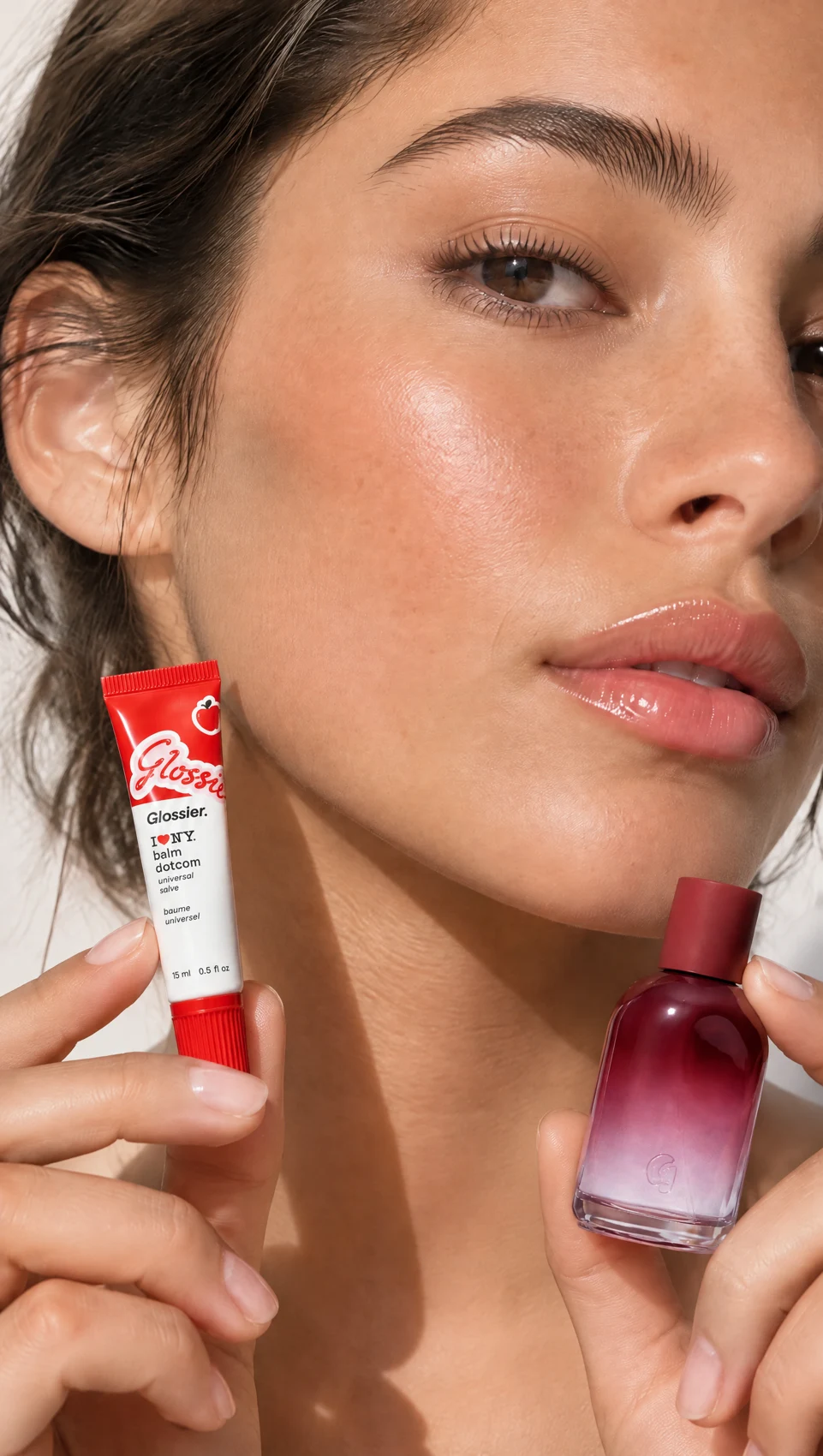
A second execution of the same campaign idea. Consistency does not require repeating the same composition.
4. Give every channel a job
Use the channels your customers already respond to. Map discovery to the purchase page: what does someone need to understand next, and where should the call to action take them? Keep the offer terms consistent across that path.
Codex · Build the campaign plan
Create a compact campaign plan using my approved strategy and available channels. For each asset, specify audience, role in the buying journey, main message, proof, CTA, destination and release date.
Include only the phases my schedule supports: anticipation, launch, objection handling and final reminder. Use a deadline only if it is real. Avoid repetitive messages. Flag any mismatch between the creative promise, offer terms and destination page.
Draft the copy for each approved placement and a production brief for its image. Keep the number of assets within my capacity. Show me the plan and copy before generating anything.
5. Turn the approved brief into assets
Use Codex to prepare an image prompt for each placement. Give Higgsfield the relevant product photos and visual references. Approve the generation cost before running the images.
Codex · Write the image prompts
Turn each approved asset brief into a separate Higgsfield prompt. Include the campaign idea, featured products, intended placement, visual direction, composition, lighting and space needed for copy.
Use my references to guide the look without copying an unrelated campaign. Preserve the actual products and packaging. If dimensions or placement requirements are unknown, ask me. Keep campaign headlines out of the generated image so they can be laid out separately.
Return the prompts for review. If you have access to Higgsfield pricing, show the current credit estimate; otherwise tell me to check it in Higgsfield before generating. Wait for approval before any paid generation.
Higgsfield · Generate one campaign image
Create a campaign image for [brand and placement].
Campaign idea: [approved idea]
Audience and message: [who it is for and what it should communicate]
Featured products: [products shown in the reference photos]
Visual direction: [approved mood, palette, composition and lighting]
Copy space: [where text will go, or none]
Use the product references as the source for packaging, shape, color and materials. Match real-world proportions using the supplied scale references. Keep the featured products recognizable. Adapt the composition to this placement and keep it consistent with the campaign direction. Do not add campaign text or invent product details.
Scale check: compare products with real reference photos and surrounding objects. If one looks wrong, request a size-only correction while preserving the approved scene.
Codex · Lay out the approved assets
Use the approved images and campaign copy to create the final layouts for each placement. Use my official fonts, logo and brand colors. Ask before substituting an unavailable font.
Set the copy as real type. Keep it readable at the intended viewing size, preserve the approved product imagery and make the CTA clear. Show me the layouts for review before exporting.
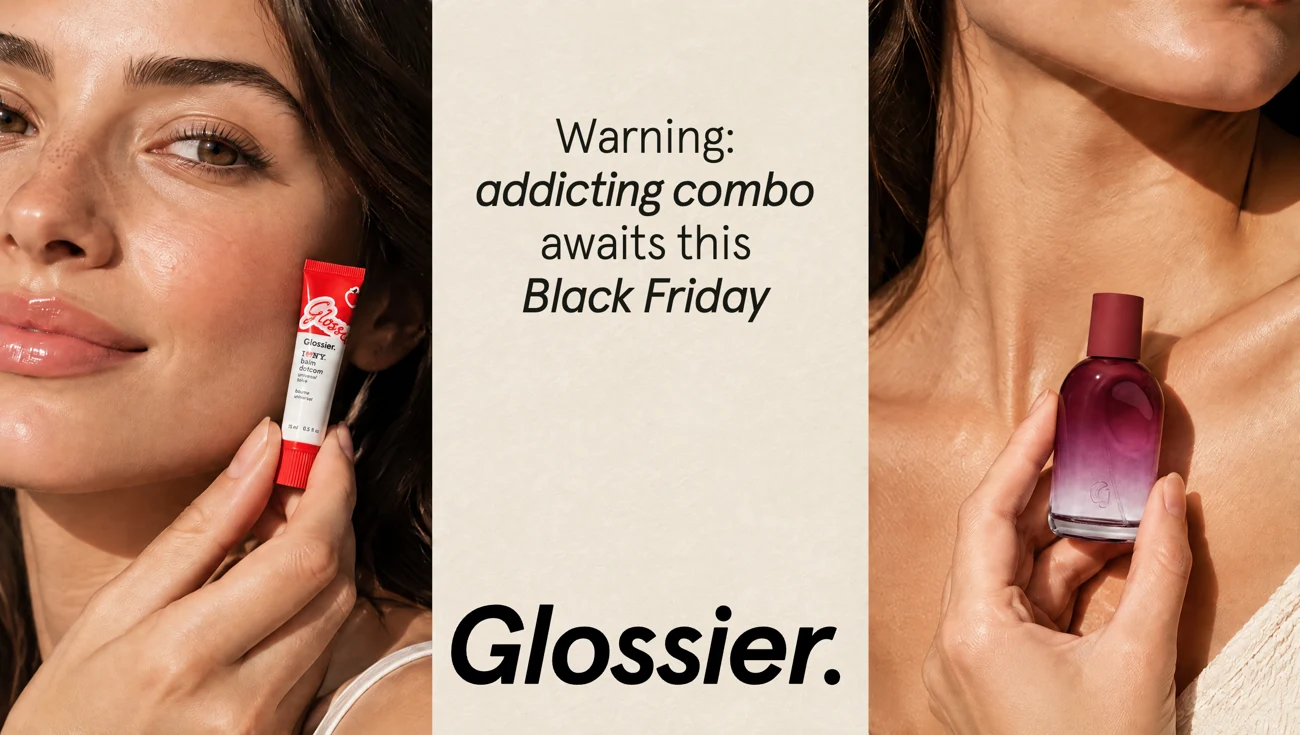
Homepage exampleEmail example
6. Decide how you will judge the campaign
Use the measure that matches your goal: new-customer orders for acquisition, average order value for larger baskets, or returning-customer orders for reactivation. Track contribution alongside it so more sales do not hide a weaker offer.
Codex · Check the launch and learning plan
Review my approved campaign for mismatched prices, dates, offer terms, unsupported claims, unclear CTAs and broken purchase paths. Flag anything I need to verify manually, including stock, discount setup and mobile checkout. Do not claim a check passed unless you actually performed it.
Create a simple results sheet with: primary metric, baseline, target, actual result and contribution. Match the metric definition to my campaign goal. Add a review date and a decision rule for what I should investigate if results miss the target. Do not invent industry benchmarks or assume that a change in sales proves the campaign caused it.
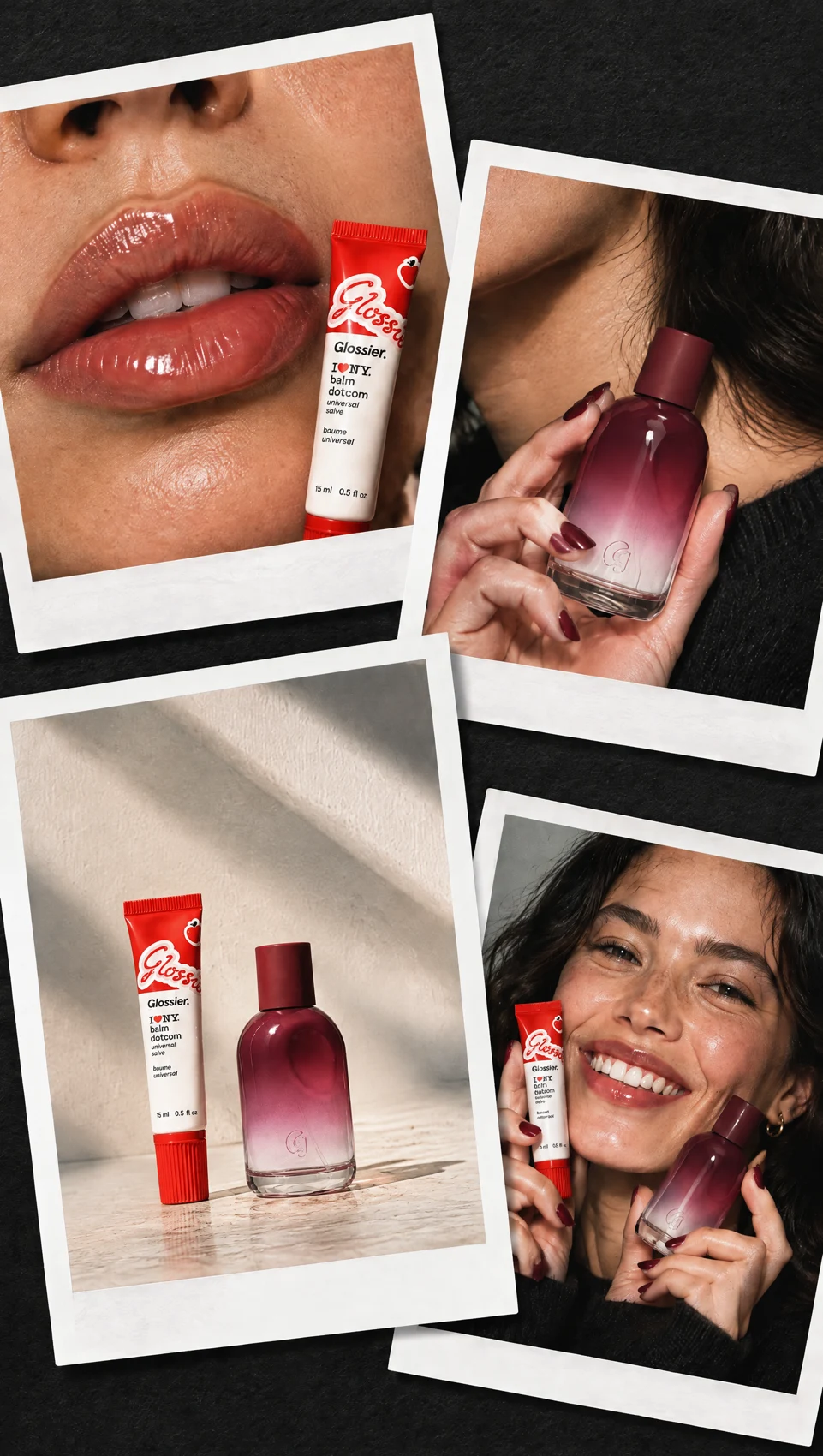
The four Glossier assets illustrate one campaign direction. This is an independent concept, not sponsored by or affiliated with Glossier.
About the strategist
Anne Reyes
Brand & AI strategist · Founder, Brandworks Studios
17 years building brands, and I scaled my marketing agency to 7 figures within 2 years, with clients including Amazon, Pier 1, and Dressbarn. I now build AI marketing systems for e-commerce brands through BAIBE, the Brandworks AI Brand Engine. AI does the production. Taste directs it.
Keep going
Want the next build?
The Chic Strategist breaks down a new AI marketing system every week. Or bring your brand to a strategy call and we'll build it together.