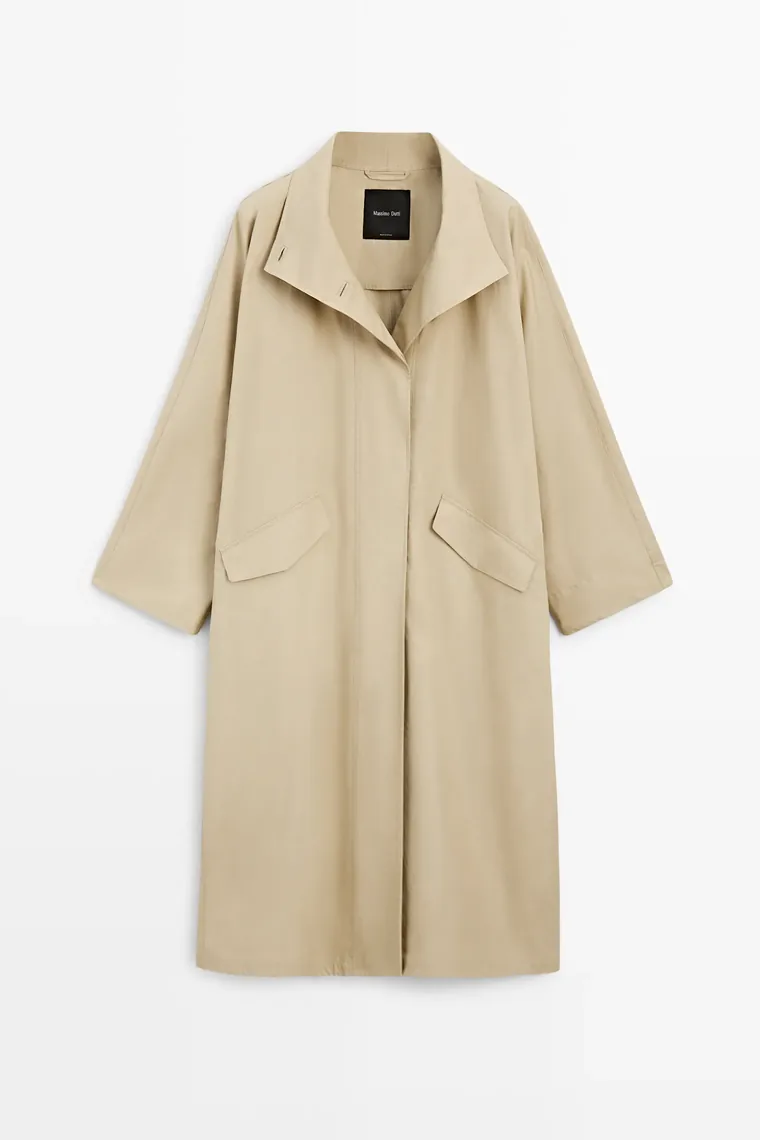
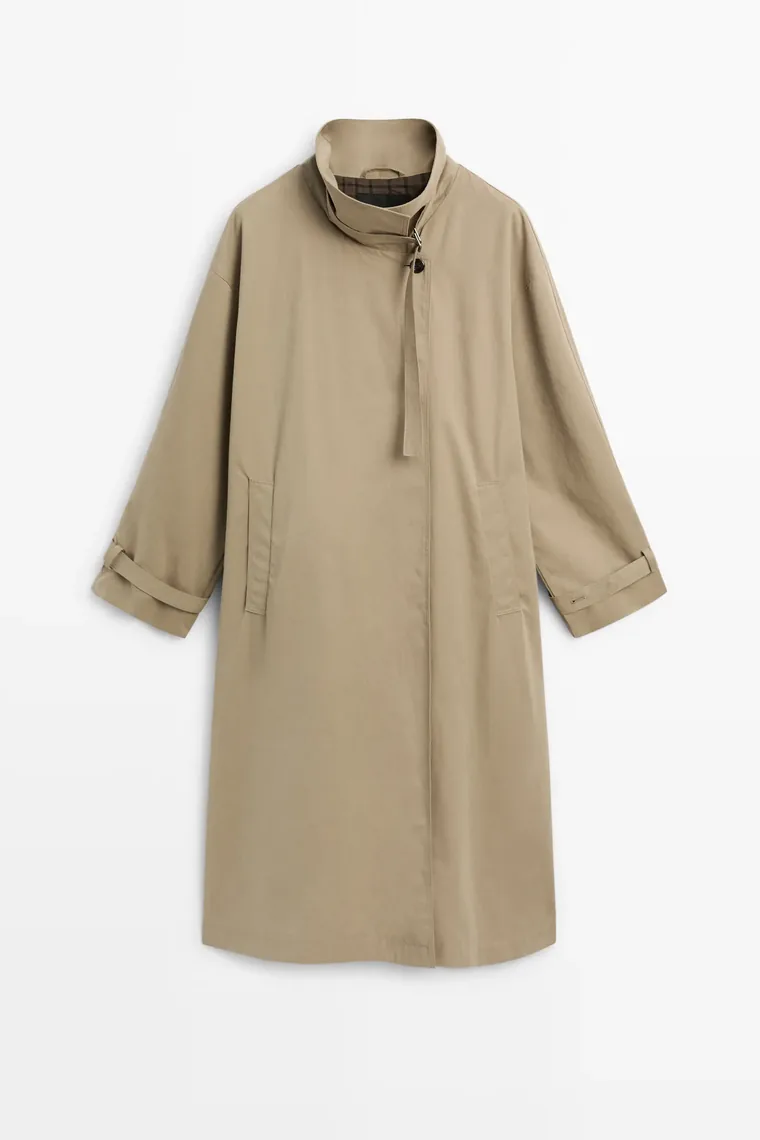
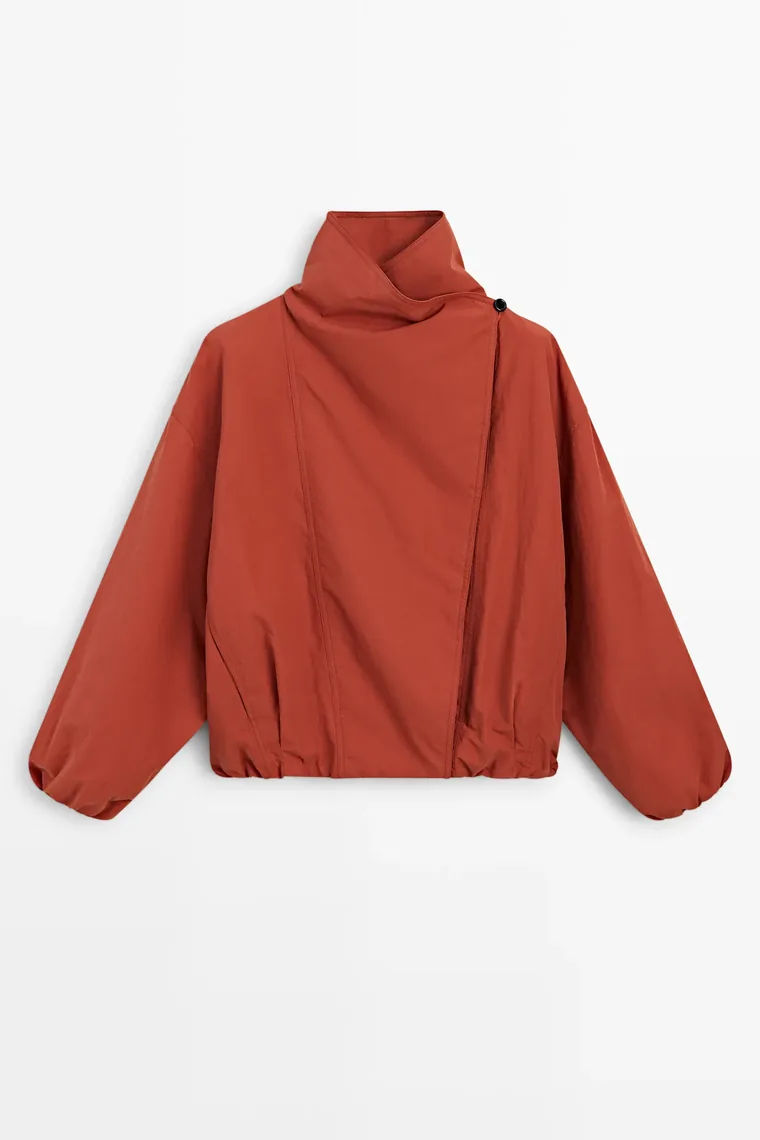
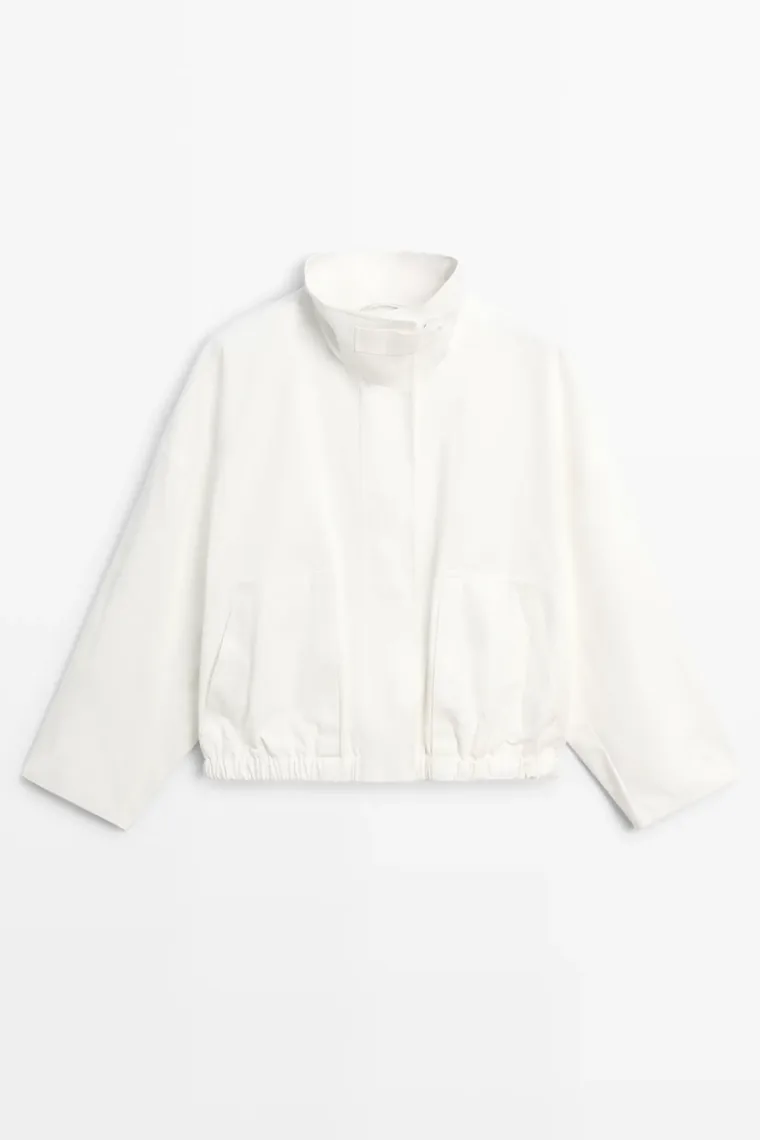
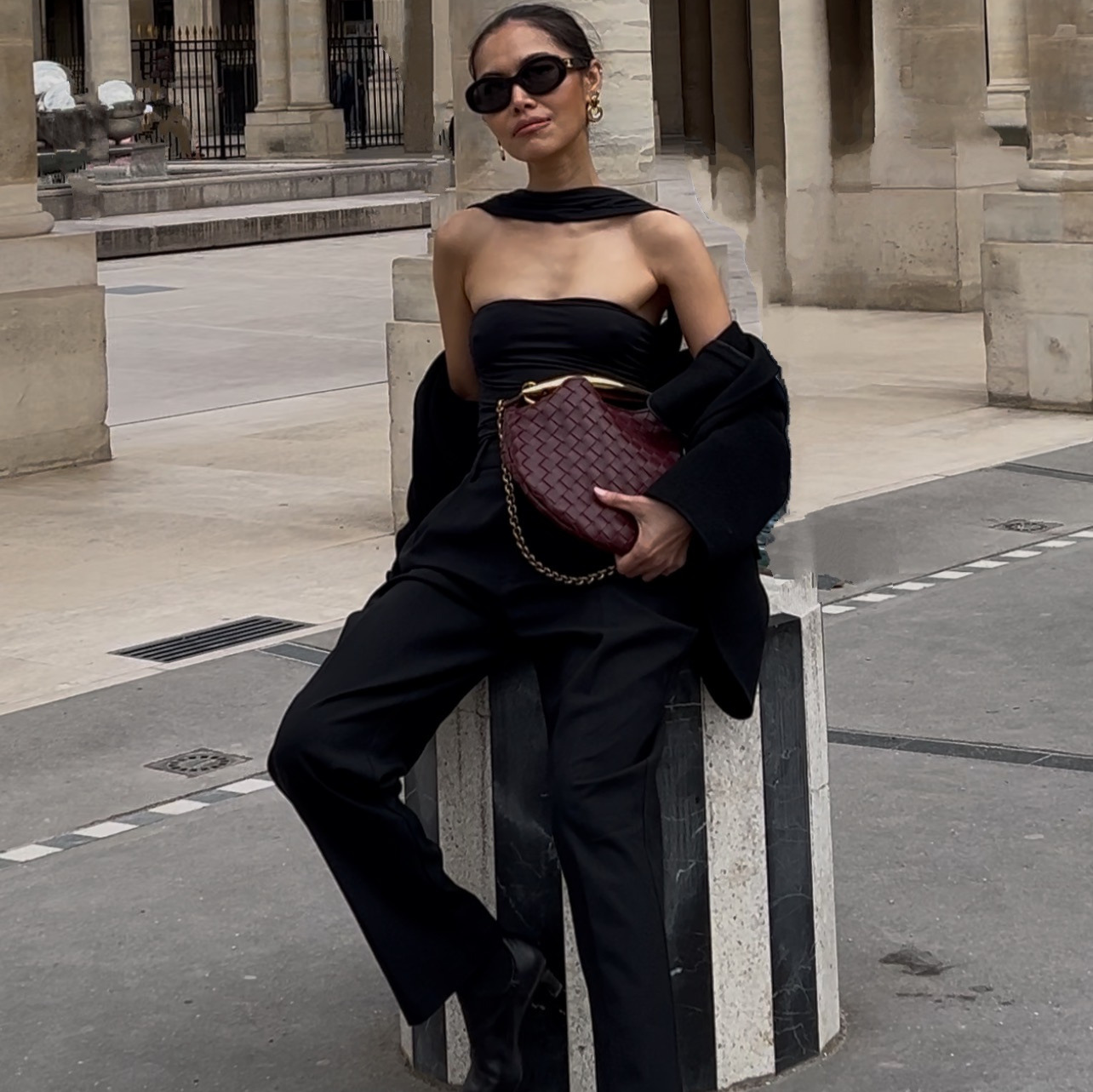
How to build a seasonal edit around the decision your customer is actually making, and the two prompts that write the introduction and film the campaign.
By Anne Reyes · · Guide + prompts
The worked example. Four pieces, one model, one street, ten seconds, generated from the four product photographs further down this page.
Start from the customer's question, not the color palette
A season is not a color story. It is the moment your customer asks herself what deserves a place in her wardrobe now. Build the campaign to answer that question and the edit does the selling for you. Build it to announce that fall has arrived and you are competing with every other brand saying the same thing in the same three colors.
That question is the brief. Everything below is downstream of it.
Write the promise as a buying instruction
A promise someone can act on beats a promise she can only admire. The promise in this edit is buy for the season you actually live. It points at pieces that work across the commitments she already has, rather than implying she needs a wardrobe she would have to replace.
The test is whether the line tells a person what to do. "Fall, reimagined" does not. "Buy for the season you actually live" does.
Choose the pieces by criteria you can defend
Three filters, applied in that order, and each one is a filter you can defend out loud when someone asks why this coat and not that one.
Versatility. Does the piece work across what your customer already does in a week, or only inside the photograph?
Availability. Is there enough stock depth to carry a campaign? A sold-out hero piece turns a good edit into a complaint thread.
Supportable styling. Can you give real advice about wearing it, or are you about to invent some?
Two long coats, two short jackets, one palette. Four pieces is enough for an edit, and few enough that every one of them can earn its line.
Give every piece a reason instead of an adjective
Each piece in the edit gets one sentence explaining the role it plays, ideally alongside something your customer already owns. "Cozy" is not a reason. "Long enough to wear over the dresses already in her closet" is a reason, and it is also the sentence that closes the sale.
Claude · Draft the edit introduction
Here are the product facts for the pieces in my [season] edit: [paste the product page copy for each piece, including fabric, fit and length].
My selection criteria were versatility across what my customer already does in a week, current stock depth, and styling advice I can actually support.
Write a short introduction for the edit, under [120] words, then one line per piece. Each line names the role that piece plays in a wardrobe, next to something the customer is likely to already own. Do not use a seasonal adjective in place of a reason. Do not state a fabric, fit or feature that is not in the facts above.
Returns the introduction and one reason per piece. Check every line against your own product facts before it goes near a live page.
Turn the edit into a campaign film
The same selection carries straight into the film. One model, one location, hard cuts, one piece per shot, so a viewer can actually see what is on offer instead of watching a blur of fabric. The prompt below is the one that produced the video at the top of this page, from four product photographs and nothing else.
Fill in the brackets with your own products, your own location and your own shot list. The structure is what does the work: name the products separately, describe each one the way you would on its product page, then write the edit shot by shot with timings.
Higgsfield · Generate the campaign film
Create an original [product category] campaign film, [10] seconds, vertical 9:16, 1080p, silent. Photoreal live-action cinematography, candid editorial [location] in [time of day and quality of light].
The supplied reference images are [4] DIFFERENT PRODUCTS. Never blend designs or morph one into another. Every one must appear on the same original model at separate hard cuts.
Model: [approximate age, hair, build, presence]. Do not copy any celebrity, source model or recognizable person. [Supporting wardrobe worn with every piece]. No bag, jewelry logos, brand lettering, captions, borders or watermarks. Preserve material texture, precise silhouette, collar, closure and color from each numbered image.
Image 1: [describe this product the way you would on its product page: color, length, collar, closure, pockets, sleeve, hem]
Image 2: [same]
Image 3: [same]
Image 4: [same]
Use [12] intentional cinematic shots with clean hard cuts. Garments are stable within each shot. Restrained handheld drift, close detail opening into a wider reveal, [setting] inserts, walking textures, ending on a direct gaze. Not a slideshow and not a product rotation.
Exact edit:
[0.00-0.70] [what is on screen, naming which image's product]
[0.70-1.70] [next shot]
[continue, one line per shot, to the full duration]
[Your palette, in three or four colors]. Natural skin pores, realistic hands, cloth weave, fine film grain, soft halation. No dialogue and no music. No invented product features. No digital morph transitions. All [4] reference garments visibly recognizable.
Ran on Seedance 2.0, ten seconds, 9:16, 1080p, audio off, four reference images. Attach one clean product photograph per piece, in the same order you number them in the prompt.
The one thing that breaks it
State in the prompt that the reference images are different products and must never be blended. Without that line the model averages your garments into one invented coat, and you spend the afternoon advertising something you do not sell.
This fall edit is an independent concept. It is not sponsored by or affiliated with Massimo Dutti, the product photography belongs to the brand, and the film was generated for this guide as a worked example.
Brand & AI strategist · Founder, Brandworks Studios
17 years building brands, and I scaled my marketing agency to 7 figures within 2 years, with clients including Amazon, Pier 1, and Dressbarn. I now build AI marketing systems for e-commerce brands through BAIBE, the Brandworks AI Brand Engine. AI does the production. Taste directs it.
Keep going
Want the next build?
The Chic Strategist breaks down a new AI marketing system every week. Or bring your brand to a strategy call and we'll build it together.